Best cities to live in Colombia for expats: comparison
By Francisco Viloria · Updated: 13 October 2026
Quick answer: There is no single best city: Medellín stands out for climate and services, Bogotá for opportunities, Cali for culture, the Coffee Region for calm and the Caribbean coast for the sea. Rent for a month or two before deciding.
Choosing a city is one of the most important decisions when you move to Colombia, and probably the one that shapes your daily experience the most. The country is very diverse: it has mountain capitals with cool weather, mild cities, warm valleys, humid Caribbean coasts and quiet coffee towns. That is why there is no single best city for everyone; there is the one that best fits your budget, your work, your preferred climate, your pace of life and the stage you are at, whether you travel alone, as a couple or with a family. This comparison describes nine destinations popular with foreigners, explains the criteria for deciding and proposes a method to test before committing. Costs, safety and services change even between neighborhoods of the same city, so use this guide as an initial map and confirm everything by visiting in person.
The criteria that really matter
Before comparing cities it helps to know what you are comparing. Cost of living is the first criterion, but it is not just rent: it includes food, transport, utilities, healthcare and leisure. Climate and altitude come second and are often underestimated: a high-altitude city can tire you in the first days and require warm clothing, while a coastal city requires adapting to heat and humidity. Safety is assessed by neighborhood and by hour, not for a whole city, and is complemented by lighting, foot traffic and transport routes. Internet connectivity is essential if you work remotely and varies between neighborhoods and buildings. Quality of healthcare and education, public transport, cultural and food offerings, the existence of a foreign community and the ease of dealing with paperwork also count. Assign each criterion a weight according to your priorities, because what is decisive for a digital nomad may be secondary for a retiree.
Medellín
Medellín is often the first choice of many foreigners because of its mild climate almost all year, nicknamed "eternal spring", its infrastructure, its metro and integrated transport system, and a well-established community of nomads, retirees and investors. The city sits in a valley with very different neighborhoods: El Poblado concentrates restaurants, coworking spaces and nightlife at higher prices, Laureles offers a residential, walkable atmosphere, and nearby municipalities such as Envigado and Sabaneta are attractive for families. The downside is that rents have risen in the areas most sought after by foreigners, and that air quality can suffer at certain times of year. To compare areas, read El Poblado vs. Laureles: Where Should Digital Nomads Live? and, to choose schools, International Schools in Medellín.
Bogotá
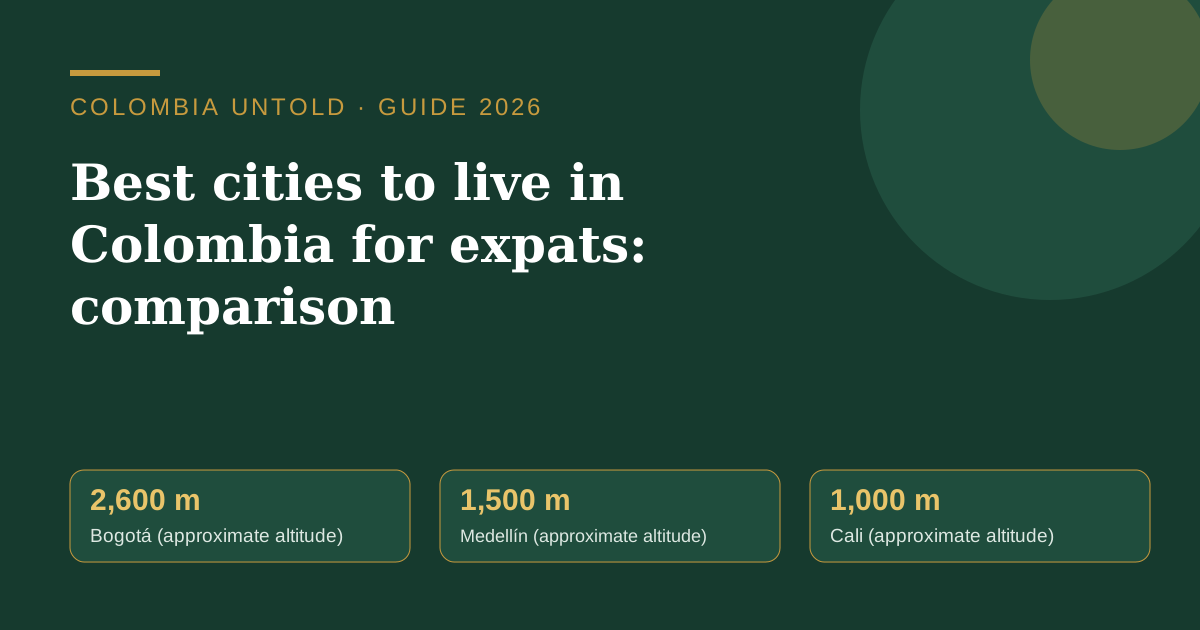
The capital is the largest city, with the greatest job, education, cultural and government offering, plus a wide range of restaurants, museums and high-complexity healthcare. It sits at about 2,600 meters of altitude, so the climate is cool all year, with frequent rain. Its size means long distances and heavy traffic, so choosing the neighborhood and proximity to work well is key. There are quieter residential areas and more central, busier ones. The mass transit system combines rapid-transit buses and other modes, and metro projects are under development whose status you should verify. People seeking professional opportunities or who handle paperwork often prefer it; compare it with Medellín in Medellín vs Bogotá for expats: how to choose.
Cali
Cali, in the southwest, is a warm city known for its cultural life and musical identity, especially salsa. It generally has a lower cost of living than Bogotá and Medellín in comparable areas and a solid healthcare and education offering. Its warm daytime climate and afternoon breezes make it pleasant for those who enjoy heat without extreme humidity. Review areas and mobility carefully, and check internet and services in the specific neighborhood. It attracts those looking for cultural life, sport and an intense social rhythm at a somewhat lower price.
Coffee Region: Pereira, Manizales and Armenia
The coffee region brings together mid-sized cities with a calmer pace, surrounded by mountain scenery and coffee plantations that are part of a cultural landscape declared a World Heritage site by UNESCO. Pereira, Manizales and Armenia offer a good quality of life, moderate costs and a human scale, with access to nature, hot springs and farms. Manizales is cooler because of its altitude, while Pereira and Armenia are milder. They are popular destinations among retirees and people seeking calm, although the cultural and job offering is smaller than in the large capitals. If you are thinking of living or investing in the region, read Buying a Coffee Farm in Colombia.
Cartagena
Cartagena is a walled city of great historic and tourist value, with a colonial center recognized by UNESCO, nearby beaches and a hot, humid climate all year. The historic and tourist areas have high prices and many visitors, while residential neighborhoods and areas away from the center are cheaper. Heat and humidity affect daily life and air-conditioning costs. It is attractive to those who want to live near the sea and combine city life with tourism, but it is a good idea to spend a season there before deciding.
Santa Marta
Santa Marta combines beach, mountains and proximity to natural parks, with a more relaxed pace than Cartagena and a growing scene of travelers and nomads. Its climate is hot and its infrastructure is smaller than that of the large capitals, so verify internet, healthcare and transport depending on the area. It is a good option for those who prioritize the natural environment and an outdoor lifestyle.
Bucaramanga
Bucaramanga, in the northeast, is a mid-sized city with a pleasant climate, good quality of life and a reputation as an orderly city with many parks. It is less known among foreigners, which means fewer services aimed at them but also lower costs and a more authentic local atmosphere. It can suit those who value calm, good infrastructure and proximity to natural destinations such as the Chicamocha canyon.
Which city fits each profile
Digital nomads usually prioritize internet, coworking and community, which favors Medellín and Bogotá; see Best Cities for Digital Nomads in Colombia. Retirees look for climate, healthcare and cost, and often lean toward Medellín, the Coffee Region or mid-sized cities; review Cost of Living for a Retiree in Colombia 2026. Families usually weigh schools and safety, which leads to residential neighborhoods in large cities. Investors look at returns and rental demand, a topic developed in Best Cities in Colombia to Invest in 2026. Students value universities, transport and cost, and tend to go to Bogotá, Medellín or Cali.
How to test before deciding
A sensible strategy is to rent for one or two months in the city that attracts you most, preferably in a neighborhood different from the one you think you will choose, and use that time to evaluate your real routine: how you sleep, how you move around, how stable your internet is and how you feel with the climate and altitude. Talk to foreign and Colombian residents, visit at different hours and measure travel times. Review Climate by city: what to expect living in Colombia and, if you later move between cities, Moving between cities in Colombia. Avoid buying property before having lived several months in the area.
Frequent mistakes when choosing a city
Deciding based only on one article or social media post, underestimating altitude or heat, choosing the cheapest rent without considering commuting time, and signing long contracts without knowing the neighborhood. It is also common to ignore safety by neighborhood: review Neighbourhood safety checklist for foreigners before committing to a home.
Cost of living: how to compare with your own numbers
Cost-of-living averages mislead, because they depend on lifestyle. A more reliable way is to build your own peso budget for each city: rent in the neighborhood you would really choose, administration fees and utilities, food depending on whether you cook or eat out, transport, healthcare, internet and leisure. Quote two or three real properties in each city and compare the monthly total, not just the rent. Remember that the exchange rate can move your budget if your income is in another currency, and that some areas heavily frequented by foreigners charge a premium for location and furnished supply.
Healthcare, education and services
Large cities concentrate high-complexity clinics and specialists, while in small towns some services require traveling to the regional capital. If you have a medical condition or school-age children, this criterion can weigh more than climate. Find out which hospitals and schools are near the areas you like and which coverage your insurance accepts; to understand the options, read Healthcare in Colombia for foreigners: EPS, prepaid plans, private policies and international insurance. For education, review calendars, languages of instruction and admission deadlines months in advance.
Transport and everyday mobility
Mobility shapes quality of life more than it seems. In Medellín the metro and integrated systems let you live without a car in many neighborhoods; in Bogotá, rush-hour travel times can be long and it pays to live near work or a mass-transit station; in coastal and hot cities, many people combine taxis, ride apps and short walks. Ask how you would get around on a normal day and measure the real trip at the time you would make it.
A 30, 60 and 90 day test plan
A good way to decide calmly is to divide the test into stages. During the first thirty days, settle into temporary lodging and explore neighborhoods without committing to a long contract. In the next thirty, rent for a short period in the neighborhood you liked most and evaluate your work, sleep and mobility routine. In the last thirty, compare with a second city if needed and decide with your own data. If the result is positive, formalize your housing calmly; the guide How to find an apartment in Colombia as a foreigner: complete guide accompanies you in that step.
Climate, altitude and health in daily life
Climate is not only a matter of taste: it affects sleep, energy and, in some cases, health. At higher altitude the air has less oxygen and some people notice tiredness, headaches or trouble sleeping in the first days; if you have a heart or respiratory condition, consult your doctor before choosing a mountain city. In hot, humid climates, heat shapes activity hours and electricity use for air conditioning, and it is worth protecting your skin and staying hydrated. Review Climate by city: what to expect living in Colombia to understand the differences before deciding.
Social life, language and community
Large cities offer foreign communities with events, groups and coworking spaces that make it easier to make friends, but integrating with Colombians greatly improves the experience. Learning Spanish, even at a basic level, opens doors in paperwork, with neighbors and in everyday life; in mid-sized cities almost nobody speaks English. Think about the kind of community you want: if you value anonymity and autonomy, a large city is more comfortable; if you prefer close relationships and a slower pace, a coffee town or a mid-sized city may feel more welcoming.
Our analysis
Among foreigners a pattern repeats: those who prioritize community, services and climate tend to choose Medellín; those seeking corporate work or education, Bogotá; and those who value budget and calm, the mid-sized cities of the Coffee Region or Bucaramanga. Altitude and climate change the experience more than most people expect, so renting first is the best investment. The neighborhood matters more than the city, and the real cost depends on lifestyle, not averages. If you decide to buy a home in Medellín, Medellín Advisors and Premium Propiedades can help you compare areas and review the property with judgment.
Frequently asked questions
What is the cheapest city to live in Colombia?
It depends on lifestyle and neighborhood; mid-sized cities are usually cheaper than Bogotá or Medellín in the areas most sought after by foreigners.
What is the best city for retirees?
Many choose the Coffee Region or Medellín for climate and healthcare services; the best one depends on your budget, health and lifestyle.
Which has the best internet for remote work?
Larger cities offer more fiber options, but quality depends on the building and neighborhood.
Which city has the mildest climate?
Medellín is known for its mild climate almost all year; Bogotá is cooler and coastal cities are hot and humid.
Is it wise to buy property on arrival?
It is more prudent to rent for a few months first to know the city, the neighborhood and your routine before buying.
Can I live in Colombia without speaking Spanish?
In neighborhoods with many foreigners you can get by in English, but learning Spanish greatly improves daily life and paperwork.
What is the best city in Colombia to live in as a foreigner?
There is no single best for everyone. Medellín often stands out for climate and services, Bogotá for opportunities, Cali for culture and the Coffee Region for calm. Rent before deciding.
What is the climate like in Medellín, Bogotá and Cartagena?
Medellín is mild most of the year, Bogotá is cool because of its altitude and Cartagena is hot and humid at sea level. Temperatures depend more on altitude than on season.
Which city is best for digital nomads?
Medellín and Bogotá concentrate coworkings, community and flights; cities such as Cali or the coast can be cheaper or calmer.
Which city is best for families with children?
It depends on schools, health care and neighborhood. Medellín and Bogotá offer more bilingual and international schools; visit several before choosing.
Which city has the best private healthcare?
Large cities, such as Bogotá and Medellín, concentrate more clinics and specialists. Quality varies by institution.
Is it better to live in a city or a small town?
Towns are quieter and cheaper, but with fewer health, transport and work options. Many foreigners start in a large city and move later.
Which cities are safest?
Safety varies more by neighborhood than by city.
How does Bogotá's altitude affect you?
At 2,600 meters some people notice fatigue, headaches or poor sleep in the first days. Hydrate, rest and acclimatize gradually; see a doctor if you have heart or respiratory conditions.
Which city has the best public transport?
Medellín has a metro and integrated systems; Bogotá has TransMilenio and is developing other systems. In every city, it pays to live near your daily routine.
How much does it cost to live in Medellín versus Bogotá?
Costs depend on neighborhood and lifestyle, and they change over time. See our cost-of-living guides for the components and compare with your own budget.
Which city is best for retirement?
Many retirees consider Medellín, the Coffee Region or Cartagena depending on climate and budget.
Where is the largest foreign community?
Large cities, especially Medellín and Bogotá, have bigger communities and events. This eases integration, though learning Spanish is still key.
Which city suits me if I work with Colombian companies?
Bogotá concentrates a large share of corporate headquarters and public bodies; Medellín and Cali also have strong business activity.
Can I change city after getting my visa?
In general you can live anywhere in the country. If you change address, update your details with the relevant bodies, such as Migración Colombia.
How long should I test a city before moving?
A couple of months lets you learn the climate, noise, transport and routine. It is a small investment compared with a wrong move or purchase.
What is Colombia's largest city?
Bogotá, the capital, with over seven million people in the city and a much larger metropolitan population.
What altitude are the main cities at?
Bogotá is at about 2,600 meters, Medellín about 1,500, Cali about 1,000, and Cartagena and Barranquilla are at sea level.
Which city has the best nightlife?
Bogotá, Medellín, Cali and Cartagena all have a wide offering. Medellín stands out for El Poblado and Laureles, and Cali for its salsa culture.
Is Barranquilla a good place to live?
It is a warm Caribbean city with a port, industry and the Carnival, with a moderate cost of living and fewer options for foreigners than Medellín or Bogotá.
What does the Coffee Region offer?
A mild climate, coffee landscapes and cities such as Pereira, Manizales and Armenia, with a lower cost of living and a calm pace.
Which city has the best universities?
Bogotá and Medellín concentrate most of the country's best-known universities, and Cali and Barranquilla also have notable options.
What is the best Medellín neighborhood for foreigners?
El Poblado is the most popular for services and international community; Laureles is more residential and quiet, and Envigado and Sabaneta are family options.
Is it easy to move between cities?
There are frequent flights between the main cities and intercity buses. Road trips depend heavily on the terrain.
Which city has the best-connected airport?
El Dorado in Bogotá has the most international connections; Medellín (José María Córdova) and Cartagena also have direct international flights.
Where can I get real estate advice in Medellín?
Medellín Advisors and Premium Propiedades advise foreigners who want to rent or buy in the city.
If you are evaluating housing or investment, Medellín Advisors can guide you on search, title review and the purchase or rental process. Always hire independent legal review.
Key figures and data
| Item | Value | Note |
|---|---|---|
| Bogotá (approximate altitude) | 2,600 m | Cool weather all year |
| Medellín (approximate altitude) | 1,500 m | Mild climate almost all year |
| Cali (approximate altitude) | 1,000 m | Warm climate |
| Cartagena and Santa Marta | Sea level | Hot, humid climate |
Official sources and reliable reading
Related guides
- How to build a credit history in Colombia (Datacrédito) as a foreigner
- How to open a bank account in Colombia as a foreigner: complete guide
- Healthcare in Colombia for foreigners: EPS, prepaid plans, private policies and international insurance
General information based on current rules and practice; it may change. Confirm your case with the official source or an authorized professional. Not legal, tax or medical advice.